
Contactless power is not about convenience alone — it is about removing physical constraints from technology. When power becomes invisible and continuous, entirely new systems become possible.

Roman P., Product & Strategy
Product Lead, Empulser
Contactless power is not about convenience alone — it is about removing physical constraints from technology. When power becomes invisible and continuous, entirely new systems become possible.
Roman P., Product & Strategy
Product Lead, Empulser
Contactless Power Transfer represents a foundational shift in how energy is delivered to devices and systems. Instead of relying on cables, batteries, or mechanical connectors, power is transmitted through electromagnetic fields or radio waves. For infrastructure operators and industrial customers, this means reduced maintenance, fewer failure points, and the ability to deploy sensors and devices in previously inaccessible locations.
Contactless Power Transfer represents a foundational shift in how energy is delivered to devices and systems. Instead of relying on cables, batteries, or mechanical connectors, power is transmitted through electromagnetic fields or radio waves. For infrastructure operators and industrial customers, this means reduced maintenance, fewer failure points, and the ability to deploy sensors and devices in previously inaccessible locations.
Real-World Applications in Development
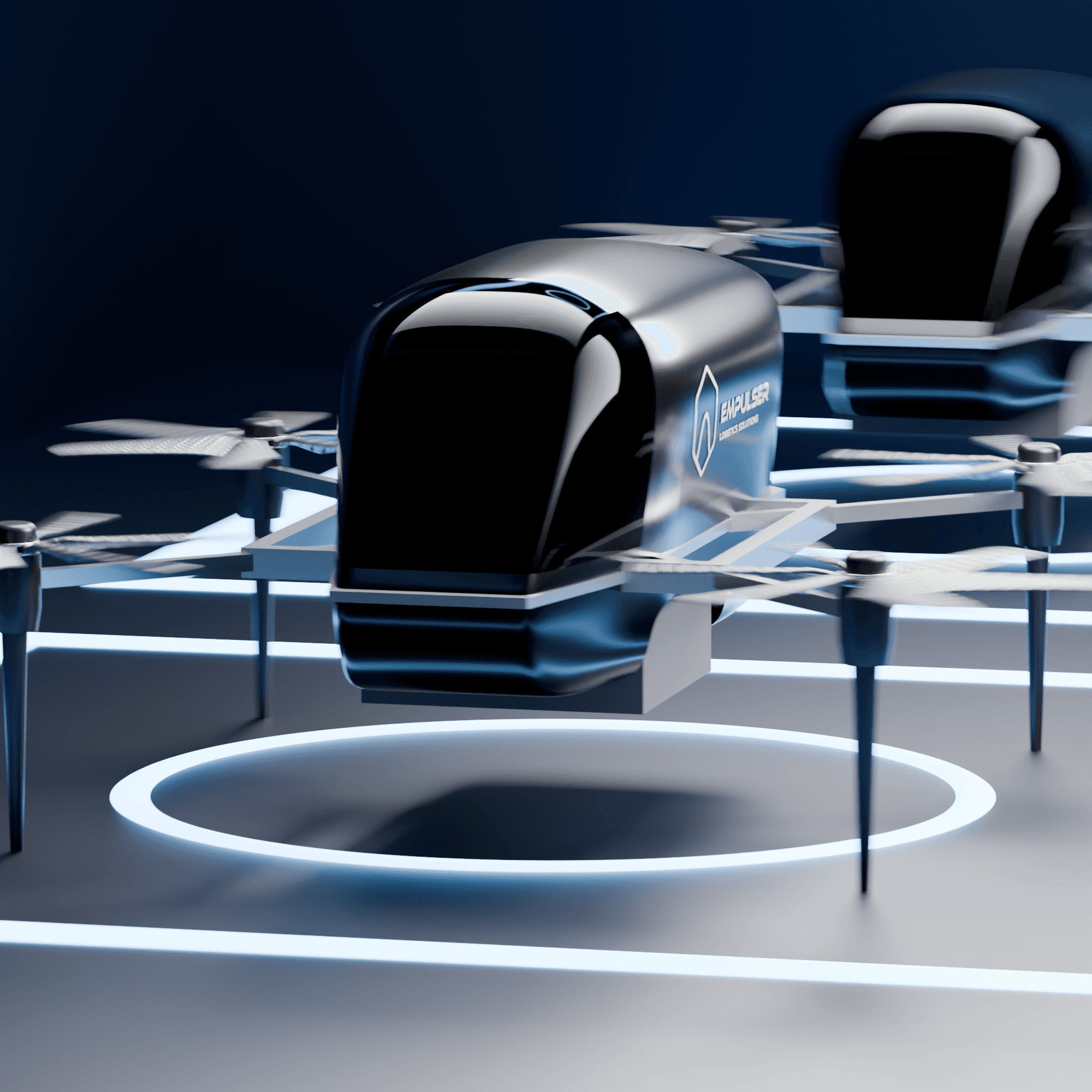
The project focuses on practical, near-term applications rather than theoretical demonstrations. Current use cases under development include: Powering distributed infrastructure sensors Contactless energy delivery for safety and monitoring systems Charging and powering autonomous and semi-autonomous vehicles Consumer electronics with reduced or eliminated battery dependency These applications form the foundation for scalable, commercially viable contactless energy networks.
All systems are designed with regulatory compliance, energy efficiency, and operational safety as core requirements.
Real-World Applications in Development
The project focuses on practical, near-term applications rather than theoretical demonstrations. Current use cases under development include: Powering distributed infrastructure sensors Contactless energy delivery for safety and monitoring systems Charging and powering autonomous and semi-autonomous vehicles Consumer electronics with reduced or eliminated battery dependency These applications form the foundation for scalable, commercially viable contactless energy networks.
All systems are designed with regulatory compliance, energy efficiency, and operational safety as core requirements.